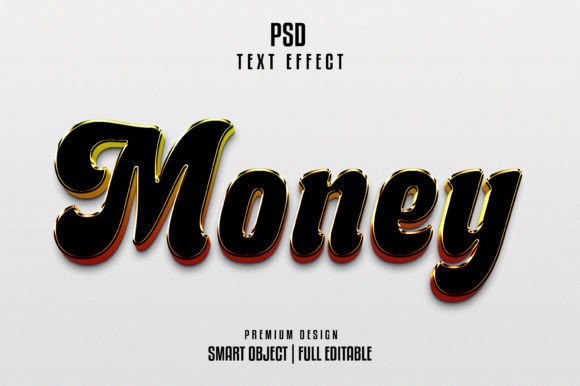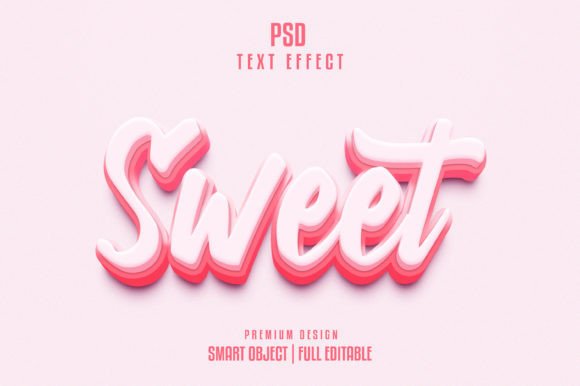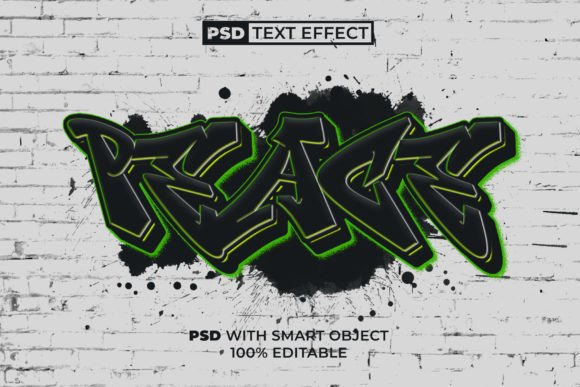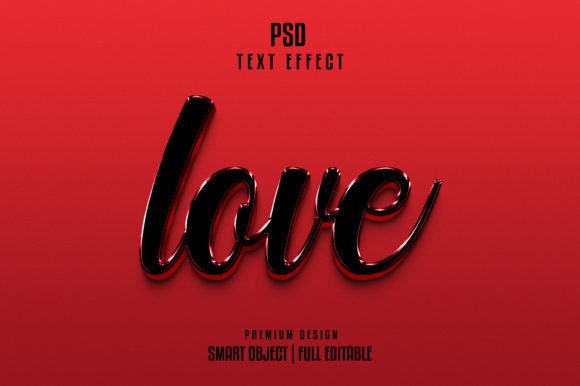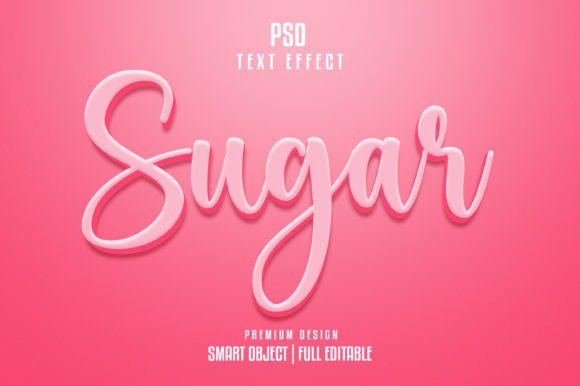
Sugar Text Effect: A Sweet Solution for Professional Typography
In the crowded landscape of digital design, standing out often comes down to the smallest details. For many creators, typography is that critical detail. It is not just about choosing a font; it is about giving that text a texture, a dimension, and a personality that resonates with the brand or message. This is where resources like the Sugar Text Effect become invaluable. Designed as an editable PSD text effect template, this tool offers a streamlined path to high-quality visual assets without requiring hours of manual labor in Photoshop.
The appeal of such a resource lies in its efficiency. Whether you are a freelancer rushing to meet a deadline, a small business owner creating social media graphics, or a marketing professional needing consistent branding materials, the ability to apply a complex style instantly is a game-changer. The Sugar Text Effect provides exactly that: a ready-to-use, 300 DPI design file that allows you to transform plain letters into something vibrant and textured. However, simply downloading a template does not guarantee a successful outcome. Understanding how to use these tools correctly—and knowing what pitfalls to avoid—is essential for maintaining quality and professionalism.
Understanding the Value of Editable PSD Templates
Before diving into the specifics of the Sugar Text Effect, it is important to understand why this format is so popular among designers. Unlike static image files (JPG or PNG), a PSD file retains layers, smart objects, and editing capabilities. The Sugar Text Effect template is built on this foundation, featuring fully editable Smart Objects. This means you can double-click a layer, type your own message, and watch the intricate sugar-like texture wrap around your new words automatically.
This functionality saves significant time. Instead of manually creating drop shadows, bevels, gradients, and noise textures from scratch, the template handles the heavy lifting. The file is well-layered and organized in groups, making navigation intuitive even for those who are still learning the interface of Adobe Photoshop. With a resolution of 2000 x 1331 pixels and an RGB color mode, the output is crisp enough for web use and high-resolution screens, ensuring your final presentation looks polished rather than pixelated.
Common Mistakes When Using Text Effect Templates
Despite the ease of use, there are several common misunderstandings that can lead to subpar results. One of the most frequent errors involves ignoring the limitations of the included fonts. While the Sugar Text Effect package includes free fonts, users sometimes assume they can swap in any font they desire without adjusting the template settings. If the new font has significantly different kerning or stroke widths, the texture might not align perfectly, leading to a broken or messy appearance.
Another oversight is neglecting the resolution requirements. While the template is 300 DPI, which is excellent for print and high-quality digital displays, some users attempt to stretch the canvas far beyond its original dimensions to fit large billboards or banners. Because the Smart Objects rely on the original vector data within the layer, excessive scaling can sometimes cause blurring or loss of definition if not handled correctly within the software. Always check the final output size against the intended medium before committing to the design.
Furthermore, a lack of attention to color theory can ruin an otherwise great effect. The "sugar" aesthetic implies sweetness, brightness, and perhaps a bit of sparkle. Applying this effect to a dark, somber background without adjusting the lighting or saturation can result in a clash that feels disjointed. Users often copy the colors directly from the demo without considering their specific brand palette, leading to designs that look generic rather than tailored.
How These Errors Impact Your Final Design
The consequences of these mistakes go beyond simple aesthetics. In a professional setting, poor execution can undermine credibility. If a logo or headline looks stretched, misaligned, or clashing, the audience may perceive the brand as careless or unprofessional. For entrepreneurs and marketers, this translates to lost trust and lower engagement rates. A blurry text effect on a product advertisement can make the item itself seem low-quality by association.
Efficiency is also at risk. Fixing a poorly applied effect often takes longer than getting it right the first time. If you have already exported the image and realized the font doesn't work, you must reopen the PSD, troubleshoot the layer structure, and re-export. This cycle wastes valuable time that could be spent on strategy or content creation. Additionally, using the wrong color modes or resolutions can lead to technical rejection by printing services or display issues on various devices, causing further delays and potential costs.
Practical Steps to Master the Sugar Text Effect
To avoid these pitfalls and ensure your projects shine, follow these practical guidelines when working with the Sugar Text Effect template.
- Test Your Font Choice First: Before applying the full effect, try typing your text in the Smart Object with a few different fonts. Look for ones with similar weight and structure to the original demo. If you must use a very different font, be prepared to manually adjust the layer styles slightly to ensure the texture adheres smoothly.
- Respect the Resolution: Keep your final export close to the native 2000 x 1331px size for web use. If you need larger dimensions, consider recreating the effect on a larger canvas or using vector-based methods where possible, rather than stretching the rasterized Smart Object excessively.
- Customize the Colors: Don't settle for the default palette. Use the adjustment layers provided in the organized groups to tweak the hue and saturation. Match the "sugar" tones to your brand's identity. If your brand is corporate blue, try shifting the sugary highlights to match that cool tone while maintaining the texture.
- Check the Background Context: Preview your text against the actual background it will live on. If the contrast is too low, add a subtle drop shadow or outer glow through the layer styles to ensure readability.
Evaluating Your Needs Before Downloading
Before deciding to download the Sugar Text Effect, take a moment to evaluate your specific project requirements. Is this the right texture for your message? The sugary, crystalline look works beautifully for food packaging, summer promotions, children's products, or anything related to joy and celebration. However, it might feel out of place for a serious financial report or a minimalist tech launch.
Also, verify your software compatibility. While the file format is standard PSD, ensure you have a version of Photoshop capable of handling Smart Objects and nested layer groups. Older versions of the software might struggle with the organization or fail to render the effects correctly. Finally, confirm that the included free fonts are suitable for your commercial needs. Most templates include licenses for personal and commercial use, but it is always wise to double-check the specific terms to avoid legal complications later.
Conclusion: Elevate Your Typography with Confidence
The Sugar Text Effect is more than just a downloadable file; it is a powerful tool that, when used correctly, can elevate your graphic design projects to a professional standard. By understanding the mechanics of the editable PSD, avoiding common scaling and font mismatches, and taking the time to customize the colors to your brand, you can create stunning visuals quickly and efficiently. Remember, the goal is not just to apply an effect, but to integrate it seamlessly into your communication strategy. With the right approach, this resource becomes a reliable asset in your creative toolkit, helping you deliver high-quality results that resonate with your audience.