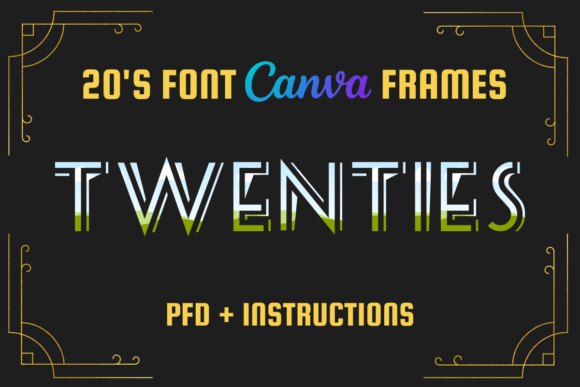
Unlocking Creative Potential with 20 s Font Canva Frames Alphabet Letters
In the rapidly evolving landscape of digital design, the ability to customize visual content quickly and effectively is paramount for professionals and hobbyists alike. Among the myriad of tools available, specific asset packs have emerged as game-changers for streamlining workflows. One such resource gaining significant traction is the collection known as 20 s Font Canva Frames Alphabet Letters. These assets represent more than just decorative elements; they are functional building blocks that bridge the gap between static typography and dynamic image integration. By understanding how these frames operate within the Canva ecosystem, users can elevate their social media presence, enhance print-on-demand products, and create personalized stationery with unprecedented ease.
The Mechanics of Customizable Alphabet Frames
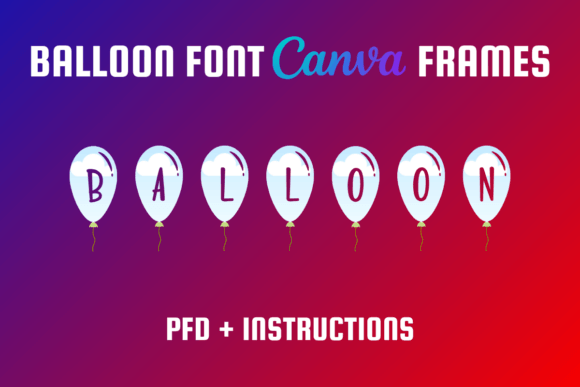
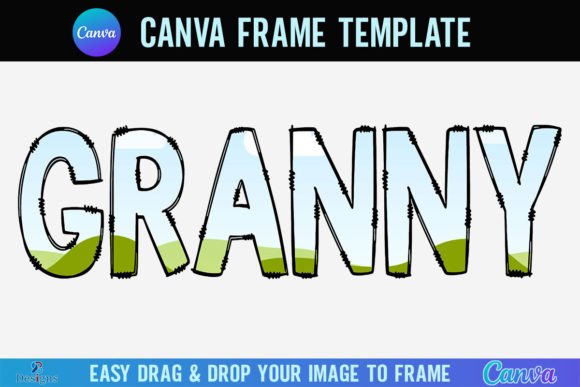
At its core, a frame in graphic design software like Canva acts as a mask. It allows an image to be placed inside a specific shape, cropping the photo to fit perfectly within the boundaries of that shape. The 20 s font alphabet letters Canva picture frames take this concept a step further by utilizing distinct typographic styles. Unlike standard shapes such as circles or squares, these frames are constructed from the strokes of individual letters, ranging from A to Z. This unique characteristic transforms text into a container for imagery, allowing designers to embed photographs, textures, or patterns directly into the letterforms themselves.
The versatility of these assets lies in their scalability. Whether a user needs a massive banner for a website header or a tiny icon for a mobile app notification, these frames can be sized down and up without losing their structural integrity. This flexibility is crucial for modern creators who often need to repurpose a single design across multiple platforms. The underlying vector nature of many of these frames ensures that the edges remain crisp and clean, regardless of the dimensions applied during the editing process.
Integrating Typography and Imagery Seamlessly
The primary advantage of using 20 s Font Canva Frames Alphabet Letters is the seamless integration of text and image. In traditional design workflows, overlaying an image on top of text often results in legibility issues or requires complex masking techniques in professional software like Adobe Illustrator or Photoshop. However, within the intuitive interface of Canva, these pre-made frames simplify the process. Users simply drag and drop their chosen photograph onto the frame, and the software automatically adjusts the image to fit the contours of the letter.
This functionality opens up a world of creative possibilities. For instance, a wedding planner could use the letter "M" to display a monogram filled with a photo of the couple's first dance. Similarly, a teacher might create educational flashcards where each letter of the alphabet contains an image of an object starting with that letter, making learning interactive and visually engaging. The result is a cohesive design element where the text does not merely sit beside the image but becomes the vessel for it.
Practical Applications Across Industries
The utility of these custom frames extends far beyond simple aesthetics. They serve as powerful tools for various industries, offering solutions that are both time-efficient and visually striking. From social media managers crafting viral posts to small business owners launching new product lines, the applications are diverse and impactful.
Social Media Engagement and Branding
In the crowded space of social media, standing out requires bold visual strategies. Platforms like Instagram, Pinterest, and TikTok rely heavily on eye-catching graphics to capture user attention. Custom 20 s font alphabet letters Canva picture frames provide an excellent method for creating branded content that feels personal and unique. Instead of using generic templates, brands can infuse their logo or brand colors into the letterforms, creating a signature look that reinforces brand identity.
Consider a fitness influencer who wants to post a weekly challenge. By using a large "F" frame filled with an action shot of them working out, they create an immediate visual association between the letter and their activity. This technique not only breaks up the monotony of standard square or portrait photos but also encourages higher engagement rates as followers are drawn to the novelty of the design. Furthermore, because these frames are easily resizable, the same design can be adapted for Stories, Reels, and feed posts without needing to start from scratch.
Print on Demand and Merchandise Design
For entrepreneurs engaged in print on demand (POD), the quality and uniqueness of a design directly correlate to sales potential. T-shirts, mugs, tote bags, and phone cases all require designs that pop. Using 20 s Font Canva Frames Alphabet Letters allows POD sellers to create intricate, layered designs that would otherwise be difficult to achieve. Imagine a t-shirt featuring a name where each letter is filled with a different texture or pattern relevant to the wearer's interests—such as musical notes, floral patterns, or geometric shapes.
The ability to size these frames up for large format printing is particularly beneficial. When designing for items like banners or wall art, maintaining high resolution is critical. Since these frames are designed to scale, they ensure that the final printed product remains sharp and professional. This capability empowers creators to expand their product catalogs with minimal additional effort, leveraging a single set of assets to generate a wide variety of merchandise options.
Educational Resources and Personal Stationery
Educators and parents frequently seek engaging materials to support learning at home or in the classroom. These alphabet frames are ideal for creating custom flashcards, posters, and activity sheets. By filling the letters with images of animals, vehicles, or historical figures, educators can make abstract concepts concrete for young learners. The visual connection between the letter shape and the embedded image aids in memory retention and makes the learning process enjoyable.
Similarly, for those interested in crafting personalized cards and invitations, these frames offer a sophisticated touch. A birthday card featuring the recipient's initial, filled with a collage of their favorite memories, creates a deeply personal gift. The frames can be used to highlight names on wedding invitations, graduation announcements, or baby shower decorations, adding a layer of customization that mass-produced stationery cannot match.
Workflow Efficiency and Technical Considerations
While the creative benefits are evident, the technical implementation of these assets is equally important for maximizing productivity. The package typically includes two PDF files: one containing the actual frame elements and another providing detailed instructions on how to use them. This dual-file approach ensures that users, regardless of their technical proficiency, can integrate the frames into their projects smoothly.
Navigating the Instructional Guide
The inclusion of an instructional PDF is a hallmark of well-designed digital assets. It addresses common hurdles that beginners might face when working with frames in Canva. The guide likely covers steps such as uploading the PDF, extracting the individual letter frames, and dragging them onto the canvas. It may also explain how to adjust the aspect ratio of the image inside the frame to focus on specific details, ensuring the best possible composition.
For advanced users, the instructions might delve into combining multiple frames to form words or phrases, layering effects, and adjusting transparency settings. Understanding these nuances allows for a more refined workflow, reducing the time spent troubleshooting and increasing the time available for creative exploration. The clarity of these instructions is essential for maintaining a smooth user experience, particularly for those who may not be familiar with the intricacies of frame manipulation in design software.
Scalability and Resolution Management
One of the most critical considerations when using digital frames is resolution. While Canva offers robust resizing capabilities, it is important to understand the limitations of raster versus vector graphics. The 20 s Font Canva Frames Alphabet Letters are designed to be scalable, but the images placed inside them must also be of sufficient quality. If a low-resolution photo is stretched to fill a large letter frame, the result may appear pixelated or blurry.
To avoid this, creators should source high-quality images that match the intended output size. When sizing up a frame for print, it is advisable to work with images that have a high DPI (dots per inch). Conversely, when sizing down for social media thumbnails, lower resolution images may suffice, but care should still be taken to ensure the subject matter remains clear within the constraints of the letter shape. Balancing these factors ensures that the final design looks professional across all mediums.
Strategic Advantages for Content Creators
Beyond the immediate practicalities, incorporating these frames into a design strategy offers long-term advantages. They foster a sense of consistency and brand recognition while allowing for rapid iteration. In an era where content velocity is key, having a library of versatile assets like custom 20 s font alphabet letters Canva picture frames enables creators to produce high-quality content at speed.
Moreover, these frames encourage experimentation. Because they are so easy to manipulate, creators are more likely to try new layouts, color schemes, and image combinations without fear of wasting time on complex edits. This experimental mindset often leads to breakthrough ideas and unique visual identities that distinguish a creator from their competitors. The ability to quickly prototype different concepts using these frames accelerates the creative process, allowing for faster decision-making and deployment of campaigns.
Enhancing Visual Storytelling
Visual storytelling is at the heart of effective communication. By embedding images directly into text, creators can tell stories in a way that engages the viewer on multiple levels. The letter itself becomes part of the narrative, guiding the eye and providing context. For example, a travel blog post about "Italy" could feature the word "ITALY" where each letter is filled with iconic imagery from the country—the Colosseum in the "I", a gondola in the "T", and so on. This technique creates an immersive experience that draws the audience into the story immediately.
Such storytelling methods are particularly effective in educational contexts, marketing campaigns, and personal branding. They transform passive viewing into active engagement, prompting audiences to pause and explore the details hidden within the letterforms. As digital content continues to evolve, the ability to blend typography and imagery seamlessly will become increasingly valuable, making assets like 20 s Font Canva Frames Alphabet Letters a staple in the toolkit of forward-thinking creators.
Conclusion on Versatile Design Assets
The integration of 20 s Font Canva Frames Alphabet Letters into design workflows represents a significant step forward in accessibility and creativity. These assets empower a broad spectrum of users, from seasoned professionals to enthusiastic hobbyists, to produce polished, professional-grade designs with minimal friction. By offering a unique blend of typography and image masking, they solve common design challenges while opening doors to innovative visual expressions.
Whether utilized for vibrant social media posts, intricate print-on-demand merchandise, or engaging educational materials, the potential applications are vast. The accompanying instructional resources ensure that users can maximize the value of these frames, navigating the technical aspects with confidence. As the demand for personalized and dynamic content continues to rise, tools that facilitate quick, high-quality customization will remain indispensable. Embracing these frames allows creators to push the boundaries of their imagination, turning simple letters into powerful vehicles for visual communication.