Vintage Car Retro Vehicle Garage Logo: A Practical Guide to Smart Purchasing and Usage
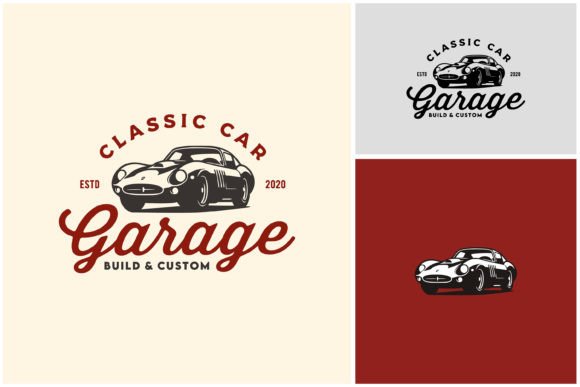
There is a distinct charm in the world of classic automobiles, a sentiment that many business owners and enthusiasts try to capture through their branding. When you search for a Vintage Car Retro Vehicle Garage Logo, you are looking for more than just an image; you are seeking an identity that speaks of history, craftsmanship, and reliability. However, the digital marketplace is flooded with assets that promise this aesthetic but often fall short on technical execution. Before you finalize a purchase or download a template, it is crucial to understand exactly what you are getting and how to use it effectively to avoid frustration down the line.
Understanding the Value of a Vector-Based Design
The primary reason professionals choose a specific design asset like the one described is its format. This particular offering comes as a single EPS 10 file containing 100 layered vectors. For those unfamiliar with graphic design terminology, "vector" is the most important word here. Unlike raster images (such as JPEGs or PNGs) which are made of pixels and lose quality when enlarged, vector graphics are mathematically defined. This means your garage logo can be shrunk to fit on a business card or blown up to cover the side of a delivery truck without ever becoming pixelated or blurry.
The inclusion of 100 layers indicates a high level of detail and organization. Each element of the vintage car, the typography, and the background elements sits on its own layer. This structure allows for precise editing. If you want to change the color of the car from red to blue, or if you need to remove a specific badge, you can do so without affecting the rest of the illustration. This flexibility is essential for small business owners who may not have a full-time designer on staff but still need to adapt their branding materials quickly.
Common Pitfalls When Choosing Garage Logos
Despite the clear benefits, many buyers make critical errors when selecting a logo template. The most common mistake is assuming that "editable" means "fully customizable text." In many templates, including this one, the text is converted to outlines or paths. While this ensures the font looks exactly as intended regardless of whether the user has the font installed, it means you cannot simply double-click and type new words. If you attempt to edit non-editable text within the vector software, you will likely find yourself struggling with complex anchor points rather than typing a simple name.
Another frequent misunderstanding involves the software required to open these files. The description explicitly states that for the best results, you should use Adobe Illustrator. Many beginners attempt to open EPS files using free alternatives or basic image editors. While some programs can display the image, they often fail to recognize the 100 individual layers correctly. You might end up with a flattened mess where you cannot isolate the wheels from the body of the car. This leads to wasted time and a sense of inadequacy when the tool you bought does not seem to work as advertised.
Why Software Compatibility Matters
The requirement for Adobe Illustrator is not arbitrary; it is about maintaining the integrity of the vector data. If you open an EPS 10 file in a program that only supports EPS 8 or lower, you risk losing transparency effects or specific path attributes. Furthermore, if you plan to hand this file off to a professional printer or a signage company, they will almost certainly expect a clean, layered EPS or AI file. Providing them with a low-quality conversion or a rasterized version of your logo can result in poor print quality, misaligned colors, and additional costs to fix the file before production.
Navigating Typography and Font Licensing
A significant portion of the "vintage" look in these logos comes from the typography. The warning about non-editable text serves a dual purpose: it protects the visual style and highlights a licensing nuance. If you wish to recreate the text using the same font family to add your own garage name, you must first download and install the specific font used by the designer. Using a similar-looking font found online might break the cohesive design, making the logo look disjointed.
Failing to check the font license is another oversight that can cause legal headaches. Just because a font looks great in a preview does not mean it is free for commercial use. Some fonts included in templates are licensed for personal use only, while others require a separate purchase for commercial application. Always verify the font's licensing terms before building your brand identity around it. A better approach is to treat the text in the original template as a placeholder. Use the visual weight and style as a guide, then replace it with a commercially safe font that matches the vibe, ensuring your business remains compliant.
Strategic Editing for Better Results
Once you have the correct software and understand the limitations, the potential for customization is vast. The ability to change colors, resize elements, and reposition curves allows you to tailor the Vintage Car Retro Vehicle Garage Logo to your specific brand palette. For example, if your garage specializes in muscle cars, you might want to emphasize bold, aggressive lines and vibrant colors. If you focus on restoration of luxury classics, a more muted, elegant color scheme with refined curves would be appropriate.
Do not feel pressured to keep every element. One of the strengths of having 100 layers is the ability to subtract. Perhaps the original design includes a slogan you don't need, or a background texture that distracts from your main icon. Removing these unwanted elements can streamline the logo, making it more versatile for social media avatars, app icons, or embroidery on uniforms. Simplicity often yields better results in branding than cluttered complexity.
What to Check Before You Purchase
To ensure satisfaction and efficiency, perform a quick audit before clicking "buy." First, confirm that you have access to Adobe Illustrator or a compatible vector editor. If you do not, factor the cost of the software into your budget, or consider hiring a freelancer to do the initial setup for you. Second, read the product description carefully regarding the font. Does the listing include a link to download the font, or do you need to source it separately? Third, look at the preview images closely. Are the lines smooth, or do they appear jagged? High-resolution previews are a good indicator of a well-constructed vector file.
Finally, consider your long-term needs. Will you need this logo in different formats later? A single EPS file is excellent for editing, but you will eventually need SVGs for web use and high-resolution PNGs for presentations. Ensure you are comfortable exporting these formats from your chosen software. By taking these preparatory steps, you transform a simple purchase into a strategic investment in your brand's visual identity.
In conclusion, a well-chosen Vintage Car Retro Vehicle Garage Logo can serve as the cornerstone of a successful automotive business. It bridges the gap between nostalgic appeal and modern professionalism. By understanding the technical requirements, respecting the limitations of the file format, and planning your edits strategically, you can avoid common pitfalls and create a logo that truly represents your passion and expertise. Remember, the value lies not just in the design itself, but in how effectively you can adapt it to tell your unique story.