Mastering the Special Burger Text Effect for Dynamic Graphic Design
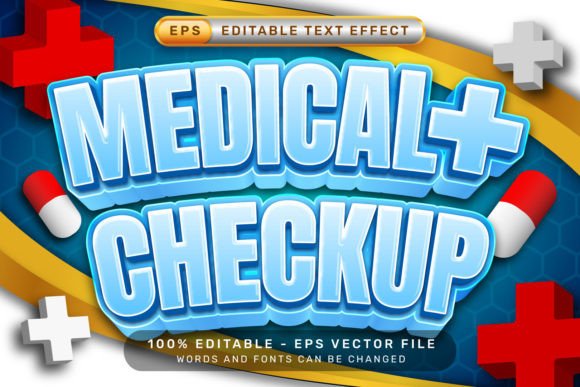
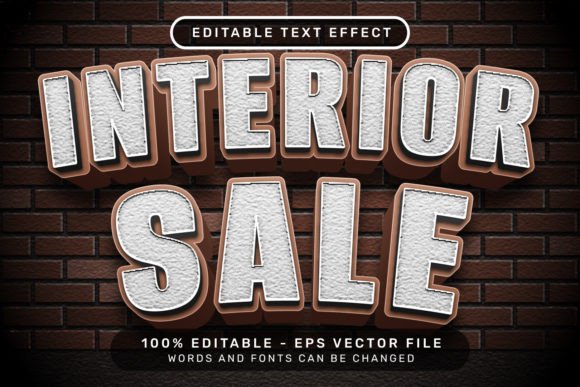
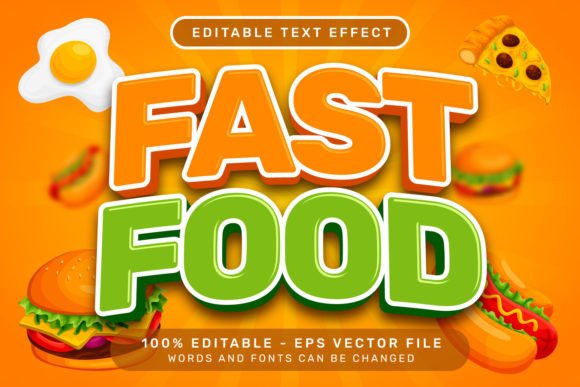
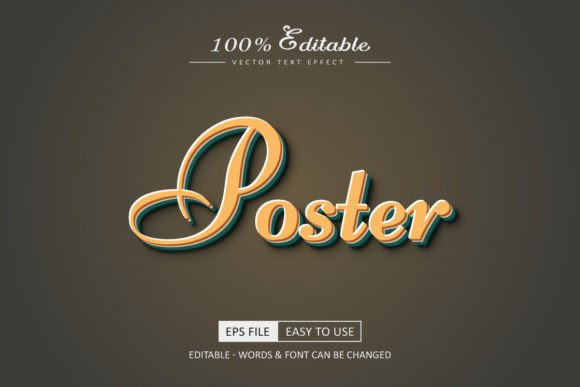
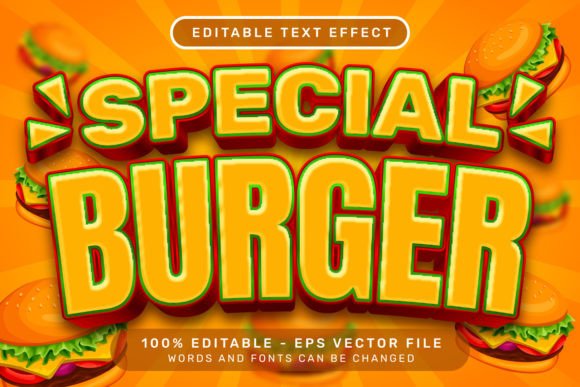
In the rapidly evolving landscape of digital and print media, visual communication often hinges on the ability to create memorable, textured typography that captures immediate attention. Among the various stylistic approaches available to modern designers, the Special Burger Text Effect has emerged as a distinctive tool for those looking to inject personality, playfulness, and appetite appeal into their projects. This specific aesthetic goes beyond simple font selection; it involves a sophisticated layering of textures, shadows, and three-dimensional elements that mimic the structural complexity of a gourmet burger. By leveraging resources such as Adobe Illustrator 3D text effects EPS files, creators can transform standard sentences into mouth-watering visual experiences without needing advanced 3D modeling skills.
The allure of this style lies in its versatility. Whether you are designing a menu for a new fast food franchise, creating promotional materials for a summer festival, or developing educational content about nutrition, the ability to manipulate text into tangible, object-like forms offers a unique advantage. The integration of editable text effects ensures that the creative process remains fluid, allowing for rapid iteration and customization. When combined with complementary illustrations like ribbon bows and balloons, the result is a cohesive design language that speaks directly to themes of celebration, indulgence, and joy.
The Anatomy of a 3D Food Typography Style
To truly appreciate the utility of the Special Burger Text Effect, one must first understand the technical components that make it effective. Unlike flat vector art, this style relies heavily on depth perception and texture simulation. At its core, the effect utilizes a combination of extrusion, beveling, and gradient mapping to simulate the layers found in a physical burger: the bun, the patty, the cheese, and the toppings. When accessed through an Adobe Illustrator 3D text effects EPS file, these attributes are pre-configured within graphic styles, making them accessible to users who may not have extensive experience with complex 3D rendering software.
The "burger" aspect is not merely a thematic choice but a structural one. The rounded edges of the letters often mimic the softness of a sesame seed bun, while internal shading suggests the density of meat or the crispness of lettuce. This level of detail creates a psychological connection between the viewer and the content, triggering sensory associations even before the text is read. For professionals in the marketing sector, this subconscious engagement is invaluable. It transforms a simple headline into an immersive experience, encouraging the audience to linger longer on the message.
Furthermore, the use of editable text effects means that the underlying geometry of the letters remains intact. Designers can change the sentence, adjust the font family, or alter the kerning without breaking the visual integrity of the 3D effect. This flexibility is crucial in a professional workflow where client feedback often requires last-minute changes to copy. Instead of redrawing the entire illustration, the user simply selects the text, updates the content, and watches as the new words instantly adopt the rich, layered styling of the original concept.
Integrating Complementary Elements: Ribbons, Bows, and Balloons
A standalone typographic element, no matter how impressive, often benefits from contextual support. In the realm of fast food illustration and event promotion, the Special Burger Text Effect finds its perfect partners in decorative elements such as ribbon bows and balloons. These additions serve to frame the typography, guiding the viewer's eye and adding a layer of festivity to the composition. When a bold, 3D burger-style headline is paired with flowing ribbons, it suggests movement and celebration, elevating the design from a static advertisement to a dynamic invitation.
Balloons, in particular, add a sense of lightness and whimsy that contrasts beautifully with the heavy, grounded nature of the burger text. This juxtaposition creates visual balance, preventing the design from feeling too dense or overwhelming. From a practical standpoint, these elements are often included in comprehensive asset packs alongside the text effects. They share the same color palettes and lighting logic, ensuring that when placed together, they appear as a unified scene rather than a collection of disparate clipart. For educators creating lesson plans about healthy eating or business owners launching a grand opening, this cohesive look is essential for maintaining brand consistency and visual appeal.
The combination of these elements also expands the range of potential applications. While the burger text might suggest food, the addition of balloons and ribbons broadens the scope to include birthday parties, community events, and seasonal sales. This adaptability makes the asset pack a high-value resource for agencies and freelancers who need to deliver varied results quickly. By understanding how to layer these components, designers can craft narratives that are both visually striking and contextually appropriate.
Streamlining Workflows with Graphic Styles
One of the most significant advantages of using specialized assets like the Special Burger Text Effect is the efficiency it brings to the design workflow. In Adobe Illustrator, the Graphic Styles panel acts as a repository for complex formatting rules. Instead of manually applying gradients, drop shadows, and 3D extrusions to every piece of text, a designer can apply a single click to achieve the desired look. This feature is particularly powerful when working with large projects that require consistent branding across multiple touchpoints.
To utilize this functionality, a user simply needs to select the text they wish to transform. Once selected, navigating to the WINDOW – GRAPHIC STYLES menu reveals the pre-loaded styles associated with the imported EPS file. Clicking on the "Burger Text" style instantly applies all the necessary attributes, including the specific curvature, shading, and texture maps required to achieve the 3D effect. This process reduces what could be hours of manual work into mere seconds, allowing creatives to focus more on conceptualization and less on technical execution.
This ease of use democratizes high-quality design. Hobbyists and students who are just beginning their journey in graphic design can now produce professional-grade visuals without needing to master the intricacies of 3D modeling or advanced vector manipulation. It lowers the barrier to entry while raising the quality of output. For businesses, this translates to faster turnaround times and reduced production costs. A marketing team can generate a week's worth of social media graphics in the time it used to take to create a single poster, all while maintaining a high standard of visual fidelity.
Moreover, the non-destructive nature of graphic styles means that edits are reversible and adjustable at any stage. If a client decides they want the "bun" texture to be slightly darker or the "lettuce" highlights to be brighter, the designer can double-click the graphic style to modify the parameters globally. Every instance of the text throughout the document will update automatically. This level of control is indispensable in collaborative environments where feedback loops are frequent and precision is paramount.
Real-World Applications Across Industries
The versatility of the Special Burger Text Effect extends far beyond the obvious domain of restaurant menus. While its primary association is with fast food illustration, the underlying principles of 3D, textured typography have found traction in diverse sectors. In the education sector, teachers use these vibrant, engaging visuals to capture the attention of young students during lessons about nutrition, agriculture, or even geometry, using the shapes of the letters to explain concepts of volume and surface area.
In the retail industry, brands leverage the playful nature of the effect for limited-time offers and seasonal campaigns. A clothing store might use the style for a "Summer Melt" sale, utilizing the melting cheese aesthetic to convey urgency and heat. Event planners incorporate the accompanying balloon and ribbon illustrations to design invitations for corporate picnics or community block parties, where the theme of food and fun is central. Even in the tech world, startups sometimes adopt these organic, friendly aesthetics to soften their brand image, moving away from sterile, minimalist designs to something more approachable and human-centric.
Researchers and content creators also find value in these assets. When producing infographics about consumer habits or food trends, the use of recognizable, stylized imagery helps to break up dense data and make information more digestible. The familiarity of the burger motif acts as a cognitive anchor, helping viewers retain key statistics and insights. By integrating these effects into presentations and reports, communicators can ensure their messages resonate more deeply with their audience.
Strategic Considerations for Implementation
While the Special Burger Text Effect offers numerous benefits, successful implementation requires careful consideration of context and audience. The playful, exaggerated nature of the style may not be suitable for all communications. For instance, a luxury dining establishment focusing on fine cuisine might find the cartoonish 3D effect incongruent with their brand identity. Similarly, serious corporate announcements or somber topics would likely clash with the celebratory tone suggested by balloons and ribbons.
Designers must therefore exercise judgment in selecting when and where to deploy these assets. The key is alignment. The visual style should reinforce the message, not distract from it. When used appropriately, the effect enhances the narrative, adding a layer of emotional resonance that plain text cannot achieve. However, overuse or misuse can lead to visual clutter and a perception of unprofessionalism. It is essential to maintain a balance between creativity and clarity, ensuring that the text remains legible despite the complex textures and shadows.
Additionally, file management and compatibility are practical concerns. Since these effects often rely on specific EPS files and graphic styles, designers must ensure that all linked assets are properly embedded or packaged when sharing files with clients or printers. Failure to do so can result in broken links and missing styles, leading to frustrating delays. Understanding the technical requirements of the software environment is just as important as mastering the artistic application.
Ultimately, the Special Burger Text Effect represents a convergence of art and technology, offering a streamlined path to creating impactful, memorable designs. By combining the structural richness of 3D typography with the charm of fast food illustration and festive decorations, it provides a robust toolkit for a wide array of creative challenges. As digital media continues to evolve, the demand for such versatile, easy-to-use assets will only grow, empowering creators to push the boundaries of visual storytelling with confidence and efficiency.