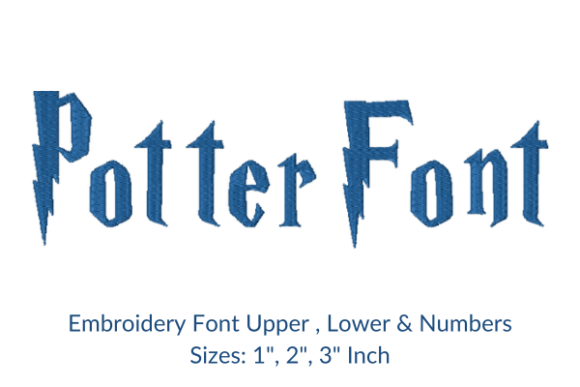
Potter Font Embroidery Design: A Versatile Tool for Personalized Stitching
Adding text to a machine embroidery project often feels like the difference between a generic item and a truly bespoke creation. Whether you are stitching a monogram onto a handkerchief or creating a commemorative banner for a community event, the choice of lettering defines the character of the piece. The Potter Font Embroidery Design stands out as a high-quality option that bridges the gap between simple utility and artistic flair. It is not just a collection of letters; it is a comprehensive toolkit designed to help creators personalize their designs with precision and style.
This specific font set is engineered to handle names, dates, and quotes on virtually any fabric type you wish to work with. From delicate silk blouses to sturdy denim jackets, the stitch density and structure of the Potter Font ensure legibility without compromising the integrity of the material. For hobbyists and professionals alike, having a reliable font that performs consistently across different textures is essential for maintaining quality standards in every project.
Understanding the Scope and Structure of the Design
When evaluating an embroidery font, understanding the technical specifications is crucial for planning your projects effectively. The Potter Font Embroidery Design provides detailed sizing information based on the capital letter "A" and the lowercase letter "a". These two characters serve as the baseline metrics for the entire alphabet, giving you a clear summary of what to expect regarding dimensions and stitch counts for each available size.
However, relying solely on the "A" and "a" metrics can sometimes lead to miscalculations when designing complex layouts. This is why the download includes a dedicated PDF file accessible via the "More Sewing Info" button. This document contains full dimension details for all 204 letters in the set. By consulting this resource, you can accurately plan the spacing, hooping area, and thread consumption for longer words or intricate phrases. This level of detail is particularly important for entrepreneurs who need to quote accurate production times and material costs to their clients.
Real-World Applications for Creators and Businesses
The versatility of the Potter Font makes it suitable for a wide array of scenarios beyond simple name tags. Consider the small business owner who specializes in custom apparel for local sports teams. They might use this font to stitch player names and numbers onto jerseys. The clarity of the stitches ensures that even from a distance, the text remains readable, which is a critical requirement for team uniforms. Similarly, educators running craft workshops can utilize this design to teach students how to integrate typography into textile art, demonstrating how to balance text with other decorative elements.
In the realm of home decor, the font shines when applied to personalized gifts. Imagine a new parent wanting to create a nursery blanket with their child's name and birth date. The Potter Font offers a classic yet distinct look that ages well, avoiding trends that might look dated in a few years. Marketers and bloggers who sell digital patterns can also benefit by bundling this font with their own quilt or bag patterns, offering customers a complete solution for personalization right out of the box.
For freelancers working in the corporate sector, the ability to produce professional-looking embroidered logos or employee recognition patches is invaluable. The clean lines of the Potter Font convey professionalism, making it ideal for items like conference badges, executive ties, or promotional tote bags. Unlike handwritten-style fonts that can appear messy if the machine tension is slightly off, the structured nature of this design maintains its integrity, ensuring that the final product looks polished and intentional.
Practical Scenarios Across Different Industries
- Wedding Planners: Using the font to create custom table runners with guest names or bridal party initials adds a touch of elegance that printed labels cannot match.
- Fashion Designers: Incorporating short, impactful quotes onto the back of denim jackets or the cuffs of shirts allows for subtle branding without overwhelming the garment's silhouette.
- School Administrators: Producing durable name labels for uniforms that withstand repeated washing cycles, ensuring students' belongings are easily identified.
- Event Coordinators: Creating unique signage or banners for charity galas where the text needs to be both visible and aesthetically pleasing against various backdrops.
Technical Compatibility and Workflow Integration
One of the most significant advantages of the Potter Font Embroidery Design is its broad compatibility. Modern embroidery machines come from a variety of manufacturers, each with their own proprietary file formats. This design package comes with multiple embroidery file formats, ensuring that it can be used with multiple embroidery machines regardless of the brand. Whether you are operating a domestic machine for home projects or an industrial multi-head system for a manufacturing run, you will find a format that works seamlessly with your software.
This cross-platform compatibility streamlines the workflow for users who may switch between machines or collaborate with others who use different equipment. It eliminates the frustration of needing third-party conversion software, which can sometimes introduce errors or alter stitch paths. By providing native support for major formats, the design allows you to focus on the creative aspects of your project rather than troubleshooting technical glitches.
Key Considerations Before You Download
While the Potter Font Embroidery Design is a robust tool, there are practical considerations to keep in mind before integrating it into your workflow. First, always test the font on a scrap piece of the actual fabric you intend to use. Even though the design is optimized for various materials, factors like fabric weave, stabilizer choice, and thread type can influence the final appearance. A dense stitch pattern that looks great on cotton might pucker on a thin rayon, so a quick test run is always wise.
Secondly, consider the scale of your project relative to the hoop size. While the font is available in various sizes, extremely large text may require splitting the design into multiple hoops. If you are using the "More Sewing Info" PDF to check dimensions, calculate the total width and height of your intended phrase to ensure it fits within your machine's maximum embroidery field. This step prevents the common issue of running out of space mid-stitch, which can ruin the fabric and waste thread.
Finally, think about the context in which the text will be viewed. If the embroidery is meant to be read from a distance, such as on a flag or a large banner, prioritize larger sizes with higher stitch counts for durability. Conversely, for intimate items like baby onesies or lingerie, smaller, finer settings will provide a more delicate and appropriate finish. Understanding these nuances will help you maximize the potential of the Potter Font Embroidery Design in every application.
Maximizing Your Creative Output
The true value of a resource like the Potter Font Embroidery Design lies in how it empowers you to execute your vision. It removes the barrier of having to digitize letters manually, a time-consuming process that requires specialized skills. Instead, you can spend your energy on selecting the perfect color palette, choosing the right stabilizer, and refining the overall composition of your piece.
Whether you are an entrepreneur looking to expand your product line with personalized options, a hobbyist seeking to add a personal touch to handmade gifts, or a professional aiming to deliver high-quality results for clients, this font set serves as a reliable foundation. By combining technical precision with aesthetic appeal, it enables you to create meaningful, lasting textiles that tell a story through every stitch. As you explore the possibilities, remember that the best results come from understanding your tools and testing them thoroughly, ensuring that every project meets your high standards.