Reviving Nostalgia: The Art and Utility of Polaroid Torn Photo Frames
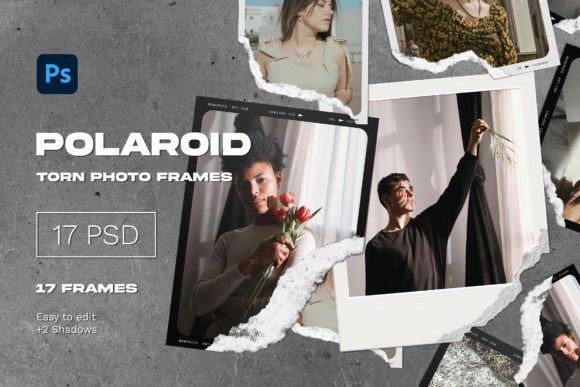
In the digital age, where images are often polished to perfection with seamless edges and high-definition clarity, there is a growing appreciation for textures that tell a story. Imperfection has become a hallmark of authentic design. Among the tools available to designers and content creators seeking this specific aesthetic, the Polaroid Torn Photo Frames collection stands out as a versatile resource. This set of 17 PSD mockups offers more than just a border; it provides a tactile, vintage atmosphere that can transform flat digital assets into compelling visual narratives. By integrating these frames into workflows, professionals can bridge the gap between modern digital capabilities and the warmth of analog photography.
The Psychology of Texture in Digital Design
Why do torn edges and vintage frames resonate so deeply with audiences today? The answer lies in the psychological impact of texture. A pristine, rectangular image on a white background feels sterile and commercial. In contrast, a photo framed within a Polaroid style, complete with ragged, torn edges, evokes memory and personal history. It suggests that the image was physically handled, perhaps cut from an old album or found in a drawer. This "found object" aesthetic triggers a sense of nostalgia, making the viewer feel like they are uncovering a secret rather than being sold a product.
The Polaroid Torn Photo Frames collection capitalizes on this by providing realistic shadows and depth. These elements are crucial for grounding the image. When a frame casts a natural shadow, it creates a three-dimensional illusion, lifting the subject off the page. This technique is particularly effective for mood boards, where the goal is to curate a feeling rather than present data. The variety of tear patterns ensures that no two compositions look identical, maintaining the organic feel that mass-produced clip art often lacks.
Technical Specifications for Professional Output
For designers who require high-fidelity outputs, the technical underpinnings of these templates are just as important as their visual appeal. The collection is built with professional standards in mind, ensuring that the final result looks crisp whether viewed on a smartphone screen or printed on a magazine page. Each template is sized at 3000×2000 pixels with a resolution of 300 DPI. This high resolution is essential for print media, where lower-resolution images can appear pixelated or blurry.
Furthermore, the use of fully editable PSD files means that the quality remains intact throughout the editing process. Unlike rasterized images that degrade when resized, these smart objects allow for non-destructive editing. Users can replace the central image without compromising the integrity of the frame's texture or the surrounding shadows. This flexibility is a significant advantage for agencies and freelancers who need to adapt a single concept across multiple formats, from social media posts to large-format banners.
Workflow Efficiency Through Smart Object Technology
One of the most significant barriers to using complex graphic elements is the time required to implement them. Creating a realistic torn edge effect from scratch involves masking, layer styles, and manual shadow painting—a process that can take hours for a single image. The Polaroid Torn Photo Frames collection streamlines this workflow dramatically through the use of Photoshop smart objects. This feature allows users to simply double-click the designated layer, insert their own photograph, save, and close. The frame automatically adjusts to fit the new content while preserving all the intricate details of the tear and the lighting effects.
This efficiency does not come at the cost of customization. While the core structure is pre-built, the backgrounds remain changeable. Designers can swap out the default backdrop to match brand colors, seasonal themes, or specific campaign requirements. The inclusion of free fonts and editable text layers further reduces the friction in the design process. There is no need to hunt for compatible typography; the necessary fonts are provided, along with links for download, ensuring that the typographic hierarchy matches the vintage vibe of the frames perfectly.
From Concept to Execution: A Practical Example
Consider a scenario where a marketing team needs to launch a campaign centered around "heritage" or "tradition." They have a series of product photos that need to feel established and trustworthy. Instead of creating a generic grid layout, they utilize the 17 unique templates available in the collection. By inserting product shots into different torn frames, they create a collage that looks like a curated scrapbook. The varying angles and tear patterns add visual interest, guiding the viewer's eye naturally across the composition. Because the text is editable, they can overlay handwritten-style notes or captions that reinforce the narrative of authenticity. The entire project, which might have taken days manually, is completed in a fraction of the time.
Diverse Applications Across Industries
The versatility of the Polaroid Torn Photo Frames extends far beyond simple decoration. These templates serve as foundational elements for a wide array of creative projects. For social media managers, the ability to generate engaging Instagram and Facebook posts quickly is invaluable. The square and vertical aspect ratios inherent in many Polaroid designs align well with mobile-first platforms, where visual storytelling drives engagement. A travel blogger, for instance, can use these frames to showcase destination photos, giving followers the sensation of looking through a physical travel journal.
In the realm of corporate communication, these frames offer a softer approach to presentation slides. A pitch deck filled with rigid charts and bullet points can be dry and disengaging. Introducing a slide featuring a team photo within a torn Polaroid frame adds a human element, breaking up the monotony and highlighting the people behind the business. Similarly, website banners benefit from the added depth. A hero section featuring a lifestyle image inside one of these frames can immediately establish a brand tone that is approachable and artisanal.
Educators and researchers also find utility in these resources. When compiling case studies or historical timelines, the vintage aesthetic helps contextualize older information or gives a distinct stylistic flair to student projects. The collection acts as a moodboard creator, allowing users to assemble disparate elements into a cohesive visual argument. Whether it is for a fashion magazine spread, a wedding invitation suite, or a personal portfolio, the applications are limited only by the user's imagination.
Customization Without Compromise
A common concern when using templates is the fear of looking generic. However, the 17 distinct variations included in this set mitigate that risk. Each template showcases a unique polaroid photo frame configuration. Some may feature more aggressive tearing, while others offer subtle fraying. The direction of the tears varies, allowing for dynamic compositions where frames overlap or sit side-by-side. Additionally, the natural shadows included in the design add a layer of realism that makes each placement feel intentional. By mixing and matching these 17 options, creators can ensure that their output feels bespoke rather than templated.
Strategic Considerations for Implementation
While the Polaroid Torn Photo Frames are powerful tools, they should be used with strategic intent. Overuse can dilute the impact of the vintage aesthetic, making a design feel cluttered or dated in a negative way. The key is balance. In a digital interface, these frames work best as focal points rather than background noise. They draw attention, so they should be reserved for the most important imagery or messages.
Furthermore, understanding the audience is critical. While the nostalgic look appeals to a broad demographic, it may not suit every brand identity. High-tech companies focusing on futuristic innovation might find the torn-edge aesthetic clashes with their message of precision and sleekness. Conversely, brands in the lifestyle, food, fashion, and artisan sectors will find that these frames enhance their core values of authenticity and craftsmanship. It is essential to align the visual language of the frames with the emotional goals of the project.
Support and Resources for Seamless Integration
To ensure that users can maximize the potential of these assets, the package includes comprehensive support materials. A detailed PDF help file provides step-by-step instructions on how to edit the smart objects, change backgrounds, and apply the included fonts. This documentation is vital for users who may not be advanced Photoshop experts, lowering the barrier to entry and allowing hobbyists to achieve professional results. Additionally, access to free author support ensures that any technical hurdles can be resolved quickly, keeping the creative momentum going.
The distinction between the presentation images and the actual deliverables is also clear. The model images and photos shown in previews are for demonstration purposes only and are not included in the download. This transparency manages expectations, ensuring that users understand they are purchasing the framework—the canvas upon which they will paint their own stories. The final deliverable consists of 17 PSD files, 17 JPG example images to guide the style, and the instructional PDF.
Embracing the Vintage Digital Hybrid
The intersection of retro aesthetics and modern technology defines much of contemporary design. The Polaroid Torn Photo Frames collection exemplifies this trend, offering a solution that respects the past while leveraging the efficiency of the present. By providing a set of tools that are both technically robust and artistically evocative, this resource empowers creators to produce work that resonates on an emotional level. Whether for a small business owner crafting a social media strategy or a professional designer building a brand identity, the ability to inject warmth and character into digital media is an invaluable asset.
As the demand for authentic content continues to rise, the value of such specialized mockups will only grow. They represent more than just a shortcut; they are a method of elevating the perceived value of the content they hold. By wrapping a standard photograph in the context of a torn, vintage frame, the image is transformed into a piece of art, a memory, or a statement. In a world saturated with perfect pixels, the imperfect tear offers a refreshing reminder of the human touch.