Glitch Font Embroidery Design: A Practical Evaluation for Modern Textile Projects
The landscape of machine embroidery has evolved significantly, moving beyond traditional serif and sans-serif scripts into the realm of digital aesthetics. Among these emerging styles, the Glitch Font Embroidery Design stands out as a distinctive tool for creators seeking to infuse contemporary edge into textile projects. This design is not merely a decorative script; it is a specialized set of 78 letters engineered to replicate the visual distortion associated with digital signal errors. For adults aged 20 to 50 who are navigating the vast array of digital assets available for personalization, understanding the specific utility, technical requirements, and aesthetic tradeoffs of this font is essential before integrating it into a workflow.
Defining the Glitch Aesthetic in Embroidery
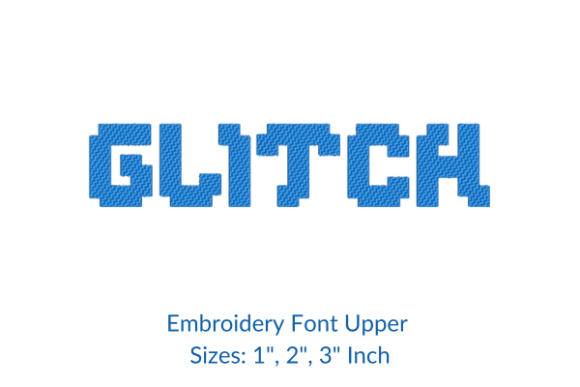
At its core, the Glitch Font Embroidery Design mimics the look of corrupted data or analog video interference. In a digital context, a "glitch" is an error, but in design, it represents a deliberate stylistic choice that conveys movement, disruption, and modernity. When translated into thread, this style relies on broken lines, pixelated edges, and disjointed letterforms to create a sense of dynamic tension. Unlike standard embroidery fonts that prioritize legibility and smooth curves, this design embraces irregularity.
This distinction makes the font particularly effective for specific applications where a rugged or futuristic vibe is desired. It is ideal for writing names, dates, or short quotes on fabrics ranging from heavy denim jackets to cotton tote bags. The visual impact comes from the way the stitches interact to form fragmented shapes rather than solid blocks of color. However, this unique appearance requires a shift in mindset for the embroiderer. The goal is not perfection in the traditional sense, but rather a controlled chaos that maintains the integrity of the text while delivering the intended artistic effect.
Technical Specifications and File Compatibility
When evaluating any digital embroidery asset, technical compatibility is often the primary decision factor. The Glitch Font Embroidery Design is distributed with multiple file formats, ensuring broad compatibility across various embroidery machines. Whether you are using a domestic hobbyist machine or a commercial hoop system, the availability of standard industry formats means the design can be integrated without the need for complex conversion software.
It is crucial to note the specific dimensions provided in the product summary. The size and stitch count information typically displayed refers specifically to the uppercase "A" and lowercase "a" in each available size. These metrics serve as a baseline for estimating the overall footprint of the design. Since the font contains 78 distinct characters, the actual dimensions will vary depending on the specific combination of letters used. For instance, a word composed entirely of wide characters like "M" or "W" will occupy significantly more space than one made of narrow characters like "i" or "l".
For those requiring precise planning for large-scale projects or garments with limited embroidery areas, relying solely on the "A" and "a" summary may lead to miscalculations. To access the full dimension details for all 78 letters in the set, users should consult the More Sewing Info PDF button available on the download page. This document provides the comprehensive data necessary to determine if the design fits within the constraints of a specific garment or hoop size, preventing costly trial-and-error stitching.
Stitch Density and Fabric Considerations
The construction of a glitch-style font involves varying stitch densities. Because the design incorporates gaps and broken lines, some areas of the letterform will have lower stitch counts than others. This characteristic offers a benefit when working with delicate fabrics, as it reduces the overall weight and stiffness of the embroidery compared to dense fill fonts. However, it also presents a challenge on very loose weaves or stretchy knits, where the lack of continuous anchoring stitches could potentially lead to puckering or shifting.
When selecting fabric for the Glitch Font Embroidery Design, stability is key. Stabilizers play a critical role here. While the open nature of the font might suggest less stabilization is needed, the irregular pull of the stitches on uneven surfaces can distort the final image. Using a cut-away stabilizer for knits or a tear-away for wovens is generally recommended to maintain the sharp, jagged edges that define the style. If the fabric moves too much during stitching, the "glitch" effect can unintentionally become a genuine error, resulting in a messy appearance rather than a stylized one.
Comparative Analysis: Glitch vs. Traditional Fonts
To make an informed decision, it is helpful to compare the Glitch Font Embroidery Design against more conventional options. Standard embroidery fonts, such as block letters, cursive scripts, or classic serifs, are designed primarily for clarity and uniformity. They are the go-to choice for formal events, corporate branding, or children's clothing where readability is paramount. In contrast, the glitch font sacrifices immediate legibility for attitude and visual interest.
Consider a scenario where a user wants to personalize a hoodie. A traditional bold sans-serif font would communicate the name clearly and professionally. However, the same name rendered in the Glitch Font Embroidery Design transforms the garment into a statement piece, suggesting a connection to streetwear culture, gaming, or cyberpunk aesthetics. The tradeoff is that at a distance, the text may appear abstract until the viewer gets closer to decipher the fragmented forms.
Another point of comparison lies in the complexity of execution. Simple fonts often require fewer color changes and less digitizing complexity. The glitch style, with its intentional breaks and overlaps, may involve more intricate stitch paths. While the provided file formats handle this automatically, the embroiderer must be prepared to monitor the hooping process more closely. A slight misalignment in a traditional font might result in a minor gap, whereas in a glitch font, it could disrupt the entire illusion of the design.
Best-Fit Situations and Limitations
Determining when the Glitch Font Embroidery Design is the right choice depends heavily on the project's end goal. It is an excellent fit for:
- Personalized Streetwear: Denim jackets, bomber jackets, and beanies where a rebellious or edgy look is desired.
- Event Merchandise: Festival shirts or band merchandise that aligns with electronic music, tech themes, or avant-garde art.
- Short Phrases and Names: Due to the density of the style, it works best for names, initials, or short quotes. Long paragraphs of text can become visually overwhelming and difficult to read.
- Accent Pieces: Using the font for small logos or date markers on larger items, allowing the texture to stand out without dominating the garment.
Conversely, there are situations where this design may not be the optimal solution. It is generally unsuitable for:
- Formal Attire: Wedding dresses, business suits, or uniforms where professionalism and clear communication are required.
- Highly Stretchable Fabrics: Without extensive stabilization, the irregular stitch patterns may cause significant distortion on spandex or jersey materials.
- Long Text Blocks: As mentioned, the fragmented nature makes reading long sentences difficult, which can frustrate the viewer.
- Projects Requiring High Legibility at a Distance: If the embroidery needs to be read from across a room, a solid, high-contrast font is superior.
Evaluating Value and Workflow Integration
From a practical standpoint, the value of the Glitch Font Embroidery Design lies in its versatility within the niche market of modern customization. It fills a gap left by traditional font libraries, offering a unique aesthetic that cannot be easily replicated with standard tools. The inclusion of multiple file formats adds significant value by removing barriers to entry for users with different machine ecosystems.
However, the requirement to check the detailed PDF for full character dimensions suggests a need for diligence. Users accustomed to "drag-and-drop" simplicity should allocate extra time for pre-stitching measurements. This step is not a flaw in the product but a necessary part of working with variable-width, stylized fonts. By taking the time to review the full dimension data, embroiderers can ensure that their designs fit perfectly within the hoop and on the garment, avoiding the frustration of resizing mid-project.
In conclusion, the Glitch Font Embroidery Design is a powerful resource for those looking to elevate their textile projects with a contemporary, digital-inspired look. It offers a distinct alternative to standard typography, providing a way to express individuality through thread. While it demands careful consideration of fabric stability and text length, its ability to transform simple names and dates into striking visual statements makes it a worthwhile addition to any serious embroiderer's library. By understanding its strengths, limitations, and technical requirements, creators can confidently decide whether this style aligns with their specific project goals.